A death doula - also called an end-of-life doula or end-of-life coach, provides non-medical, holistic support to someone at or nearing the final season of their life.
The ideal benefits come from meeting with your death doula before you feel you need one. Planning out the details are easier to complete long before a crisis hits.
When the time arrives a person is actually facing their end of life, we are present and ready to bring a layer of human intuition and advocacy to the experience. Although the primary focus remains on the dying person, support is also provided to loved ones involved.
Think of us as the calm, steady presence in the room, offering compassionate guidance while keeping the room focused on what matters in the moment.
-
When someone is approaching the end of life, the practical details of daily living don't disappear, they just become harder to manage. We show up for all of it.
Support includes but is not limited to:
Caregiver companionship & respite - giving family members space to rest
Light tidying and household organization
Swedish Death Cleaning - the gentle, intentional process of sorting and simplifying belongings, ensuring loved ones aren't left with that burden
Assistance with pet care
Personal care support - non-medical help with hygiene, oral care, gentle washing, and grooming to preserve dignity and comfort
Adjustments for a sensory-calming environment may include lighting, temperature, bedding texture, aromatherapy, background music (or silence), and positioning for dignity and comfort
Monitoring and communicating changes in condition to family and the clinical care team
-
Some of the most important work we do happens in quiet conversation or in comfortable silence.
Active listening and presence - sitting with the dying person, offering companionship, and validating emotions without judgment
Grief and fear support - helping to process and validate feelings, offering grounding practices, breathwork, guided meditation, and normalizing the anxieties that naturally wax and wane at end of life
Relationship mediation - thoughtfully facilitating conversations between the dying person and their loved ones, helping set boundaries, and creating space for meaningful goodbyes
Life review and legacy work - inviting reflection on meaningful memories, accomplishments, regrets, and messages the person wishes to leave behind
-
The final days and hours of life deserve intention and peaceful presence. We start well in advance to create a vigil plan that honors the dying person's wishes and encourages a calming atmosphere for those present.
Planning the vigil
Initial consultation to understand wishes, values, cultural preferences, and family dynamics
Collaborative creation of a vigil plan - covering desired rituals, music, lighting, positioning, who will be present, and potentially who should not be present
Coordination with medical, hospice, and pastoral care teams to ensure alignment
Guidance on advance directives, DNR/DNI & POLST documentation to prevent last-minute confusion
-
We are a non-denominational provider and we meet every person exactly where they are regardless of faith, tradition, cultural background, or spiritual belief.
Helping identify and honor the spiritual practices, customs, prayers, or rites that are meaningful to the dying person
Designing or supporting private rituals - blessings, handwashing ceremonies, music, readings, or symbolic acts that affirm values and mark this sacred transition
Coordinating with clergy, chaplains, or cultural elders when requested, ensuring all rituals align with the person's own wishes
Providing inclusive, affirming care for all communities including interfaith families and those with no religious affiliation
Your beliefs - whatever they are - are honored here.
-
We are a non-denominational provider and we meet every person exactly where they are regardless of faith, tradition, cultural background, or spiritual belief.
Helping identify and honor the spiritual practices, customs, prayers, or rites that are meaningful to the dying person
Designing or supporting private rituals - blessings, handwashing ceremonies, music, readings, or symbolic acts that affirm values and mark this sacred transition
Coordinating with clergy, chaplains, or cultural elders when requested, ensuring all rituals align with the person's own wishes
Providing inclusive, affirming care for all communities including interfaith families and those with no religious affiliation
Your beliefs - whatever they are - are honored here.
Let’s Take a Deeper Dive
The term death doula is still so new to people, yet the role has existed for millenia. Though the job is profoundly meaningful, it isn’t revolutionary. Doulas have walked alongside new parents as they prepare to bring life into this world - just as we do when someone approaches their end of life season.
We are there for moments and conversations that some feel are too difficult to face. We answer questions that you wouldn’t know who or where to ask. We guide you through events that should not be faced alone.
We aren’t doctors. We aren’t nurses. We don’t replace hospice or palliative care. We work alongside the team, ensuring your needs are met and the informed presence you deserve is nearby, if not already sitting right beside you.
We show up. We listen to your fears, doubt, uncertainty, and we stay through it all. We honor your wishes in every conceivable way. We advocate for you when there is a need. We bring calm to what can sometimes be chaotic. We are an anchor if the storm becomes turbulent.
If there are loose ends, we help tie them up. If there are complicated tasks that require attention, we tackle them with you. If there are stories that need to be shared, we will gather them. If there are deep discussions that need to be heard, we listen with an open heart and mind.

In the night of death, hope sees a star, and listening love can hear the rustle of a wing.
-Robert Green Ingersoll
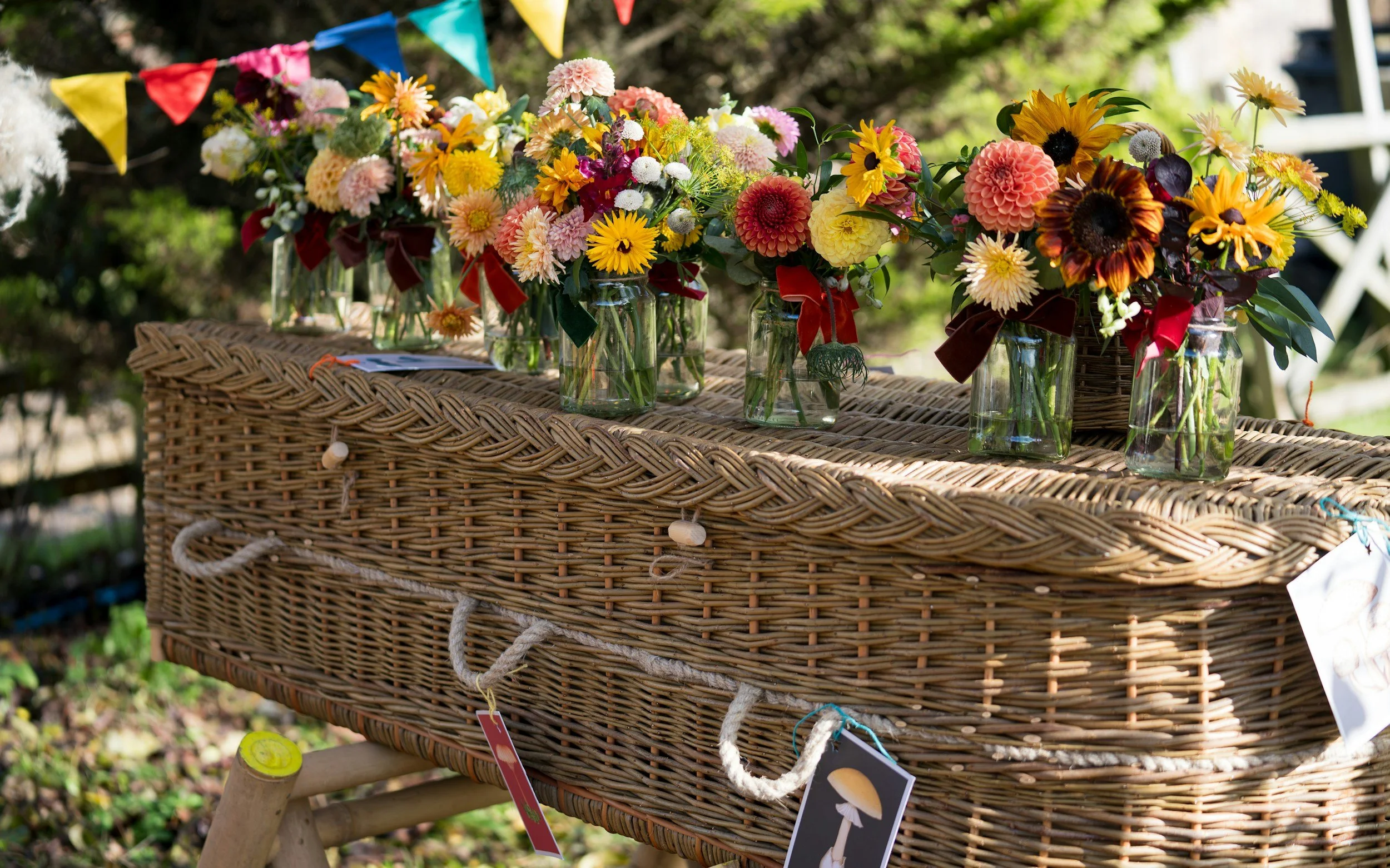
-
The primary focus of hospice is symptom and pain management with physical and hygiene care. The hospice interdisciplinary team includes physicians, nurses, social workers, chaplains, therapists, and volunteers - providing a well rounded level of care. However, hospice visits are governed by Medicare regulations, which limits the frequency and duration of bedside time - typically five to six visits per week, each lasting one to two hours.
A death doula works alongside your hospice team, never instead of them. We fill the gap between scheduled clinical visits with consistent holistic, human-centered presence, and practical care. We may spend hours sitting with the family, guiding rituals, or managing sensory details in the home. Think of us as the steady, human thread woven through everything else.
So the answer is yes. You will greatly benefit from having a doula when your are on hospice.
-
A death doula is not a medical professional and does not replace your healthcare team in any way.
We may help you formulate questions to ask your doctor, and we can share information based on experience to help you make informed decisions. But we are clear about our boundaries and we honor them.A death doula is not a home care aide or caregiver.
This is an important distinction. A licensed home care aide or certified nursing assistant is trained and insured to provide personal care including bathing, toileting, wound care, and full repositioning for pressure relief. That is not our role.A death doula may gently reposition a living person for comfort and/or dignity - adjusting a pillow, shifting a position, easing discomfort. We do not provide the clinical repositioning performed by medical caregivers for pressure ulcer prevention.
Death doulas do not:
Make medical recommendations or decisions
Diagnose or medically treat
Administer medications of any kind
Provide licensed home care or nursing aide services
Perform clinical personal care such as wound care or catheter management
Replace the role of a licensed caregiver, nurse, or hospice aide
-
Hospice is always a form of palliative care - but not all palliative care is hospice.
Palliative care focuses on comfort, symptom relief, and quality of life for anyone living with a serious illness, and can be provided alongside curative treatment at any stage of disease. Some people receive palliative care for months or even years.
Hospice care is a specific form of palliative care for those who are near the end of life generally with a prognosis of six months or less. This is where the focus shifts entirely to comfort rather than curative treatment.
Understanding the difference can help you and your family ask for the right support at the right time.
-
The moments immediately following a death are sacred and often surprisingly calm.
We can remain present after the death to support the family, hold space for grief, and help with the immediate after care. We can assist with notifying the appropriate contacts, coordinating with the funeral home or hospice team, and ensuring the dignity of your loved one is honored in those tender final moments.
One very important thing remember is:
DEATH IS A HUMAN EXPERIENCE, NOT A MEDICAL EMERGENCY. -
We believe that death is a deeply personal and sacred journey that is experienced by every living being. Knowing this, we approach it with reverence, not denial or fear. We believe the event of death itself is one that needs to be honored in a safe and peaceful environment rather than a clinical setting with bright lights, tubes, pokes and prods. We wish for every being to have this type of death - one of comfort, peace, respect, honor, and love.
-
There is no single universal governing body or state education route for death doulas. There are however many independent training programs available.
I am proud to hold my certifications by two of the most highly respected organizations, Doulagivers and Going with Grace.
Alongside of the certifications, I also hold a NEDA Proficiency Badge, which serves as a trusted quality marker, requiring competency testing and a formal vow to abide by the NEDA Code of Ethics.
-
A doula cannot administer medication, but we will provide continuous non-medical comfort, emotional support, and presence through the MAiD process where legal.