

Jump to section:
Practical Support
The days and weeks before and following a death can feel like trying to swim through mud. Easy tasks become monumental hurdles as the world buzzes by. Wayfinder will guide you through the landscape of anticipatory and early grief so you don't have to navigate it alone:
Guidance through the Survivor's Checklist - a structured overview
of the notifications, documents, and decisions that follow a death.Support in prioritizing what needs to happen before death and
what can wait.Compassionate assistance with sorting and making decisions about a loved one's belongings at your pace, on your terms.

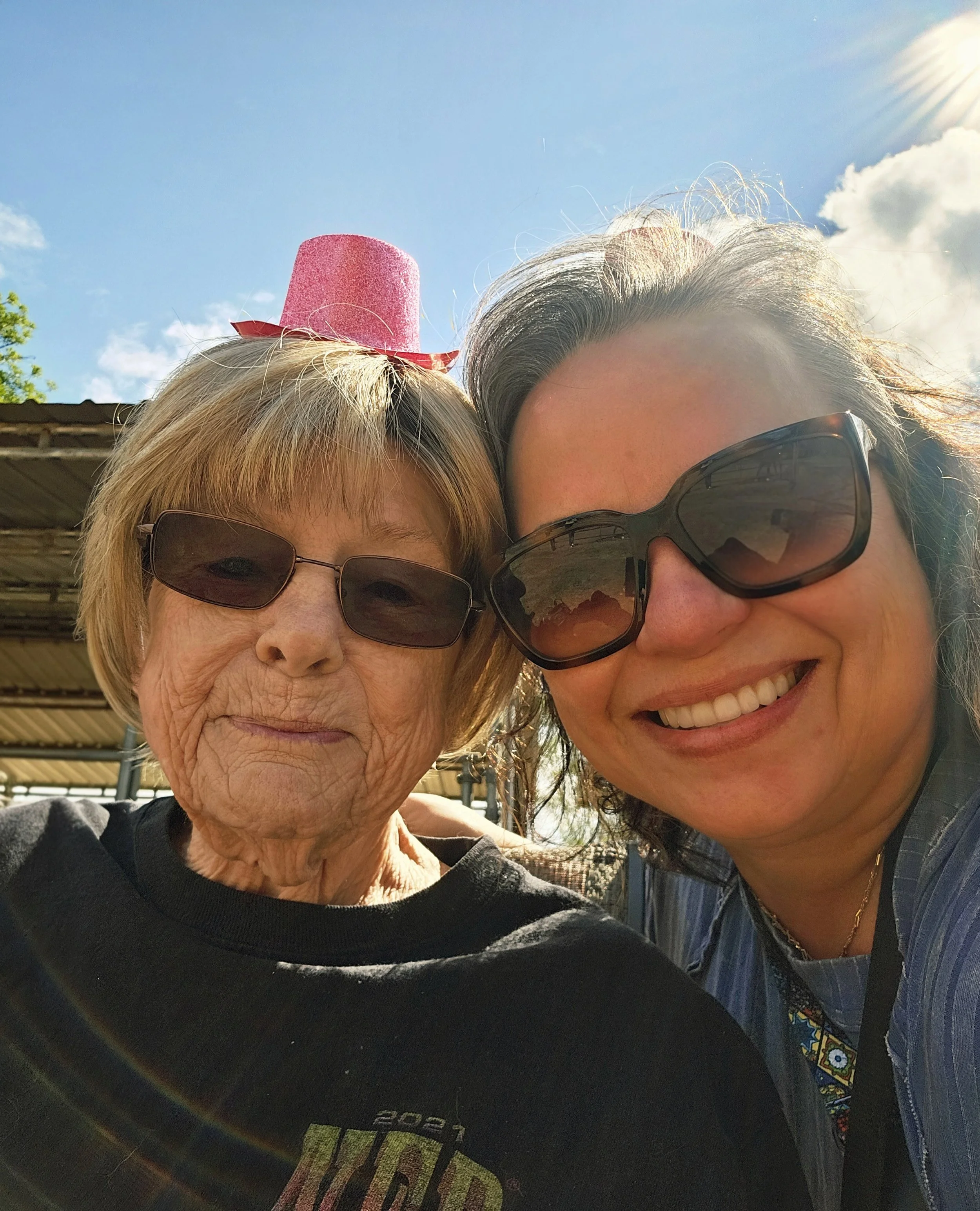
Peer Support
Sometimes you just need someone to sit with.
Individual grief support sessions offer a private, unhurried space to simply to be heard without judgment. Bring your sorrow, your anger, your confusion, everything you feel. There is no agenda and no timeline. What you will find here is a safe presence, heartfelt compassion, and honest conversation.
Sessions are available in our Corona office or virtually.
What individual support may include:
Active listening and authentic human presence, allowing any emotion to show itself safely and without judgement.
Accompaniment or support for difficult post-death appointments and notifications i.e. memorials, post-memorial gathering, eulogy, etc.
Referrals to licensed grief counselors, therapists, or community resources when additional support is needed.
LET’S TALK
Veterans & First Responders
Military service and first responder work involve unique, complex losses ranging from combat and critical incidents to moral injury, identity shifts, and the quiet grief of life transitions. Standard clinical settings don't always feel like a safe fit, especially when concerns around medical records, benefit status, or personal rights create hesitation to seek support.
Our individual 1:1 sessions offer a dedicated space built entirely on trust and complete autonomy:
100% Confidential & Non-Clinical: We do not diagnose, treat, or generate medical records. Your story remains strictly between you and Wayfinder Life & Legacy - completely free from insurance, clearinghouses, or government reporting systems.
Complete Personal Autonomy: You retain full control over your support journey without concerns of institutional oversight, mandate, or evaluation.
1:1 Presence: Dedicated time in our Corona office or virtually to process, talk, or just
sit in a safe space with someone who respects your service and your privacy.
Facilitated Grief Groups
Wayfinder Grief Circle sessions offer a safe, confidential, and respectful space to share with others on their own grief journey. Though everyone’s grief is different, survivors can find hope in community to make the weight of it a little bit lighter.
Sessions are available in our Corona office or virtually.
What a Wayfinder Grief Circle may include:
A space for adults to share or simply attend for a community presence. Peers allowing any emotion to show itself safely and without judgement.
Expectations are for active listening without advising, comparing, or cross-talk.
Structured approach yet fluid and balanced based on the energy of the room. Nothing is rigid in the Circle.
Members are encouraged to participate, but in no way required or pressured to do so if it feels uncomfortable.
Offerings and dates for loss-specific groups will be posted on this website and social media.


Grief Rituals & Ceremony
Remembrance and intentional honoring are among humanity's oldest response to loss, giving grief a dedicated outlet and place to go.
Whether simple or elaborate, private or shared, a meaningful tribute offer the emotional structure and sacred space that ordinary daily life rarely provides.
This practice requires no specific faith tradition. It simply requires intention and a willingness to honor what mattered.
We offer guidance and support for:
Personalized Tributes: Designing personal mourning rituals tailored to your values, culture, and personality.
Milestone Honoring: Creating ongoing ways to honor anniversaries, birthdays, and significant dates.
Transitions & Closings: Marking the letting go of belongings, spaces, or specific life chapters with care.
Shared Ceremonies: Facilitating intimate family or small group gatherings for collective remembrance.
Virtual or in-person sessions for developing and guiding practices that help begin the healing process.
Disenfranchised Grief
The unique and often overlooked losses can be especially painful. The isolation that may accompany this type of grief can often worsen the heaviness we already feel. We have no intentions of turning away from this. We will shine a light on what others choose to keep in the dark.
Pet Bereavement:
Honoring companion animals and the silence left behind.Pregnancy Loss & Reproductive Grief:
Miscarriage, stillbirth, abortion, and fertility loss.Stigmatized Losses:
Navigating grief from medical aid in dying, suicide, or overdose.Traumatic Loss:
Processing sudden, unexpected or violent loss.Hidden or Secret Relationships:
Grieving a partner, friend, or connection that was not known in your public life, leaving you to mourn alone.Guilt & Remorse:
Working through end-of-life decisions, regret, and lingering doubts.Loss of Self:
Acknowledging lost identity, health, independence, or past versions of yourself.Social Isolation & Boundaries:
Responding to dismissive comments and unsupportive environments.
What Grief Education is - and what it isn’t
A grief educator is a steady presence during your journey through challenges that comes with loss. What we bring to the table is informed, compassionate companionship through the isolating and disorienting experience of grief. As the tides of grief wax and wane, Wayfinder can be the constant - allowing you to move through all the emotions at a pace that works for you. We do not judge, we do not fix, and we do not set rules on how you choose to communicate your feelings.
At times, grief becomes far too complex to share with even those closest to you. You may be in a place where it feels people are moving on and expect the same from you. You may feel a way that does not shine a positive light on the one you’ve lost. You might feel that talking about your grief causes distress to others. That is where we step in, and you are free to fully express yourself without reservation. It it these opportunities that will allow the grief to become unstuck and move freely to come and go. It finds a way to sneak back, but it doesn’t need to move in.
We will listen, we will witness, we will see you through the mess. As you become more aware of grief’s nuances, release pain, and can normalize what you are feeling, dealing with your grief will become bearable. Our goal is to stay near as you find your footing, and ultimately see you through to find meaning.
We do not diagnose, treat, or provide medical services. Our conversations should not be considered as medical advice or clinical mental health therapy. If at any point your grief requires clinical support, we will say so honestly and help connect you with the right professionals. There is no shame in needing more, and knowing that is part of the teachings.
This website does not provide medical, mental health, or crisis intervention services. If you are feeling suicidal, thinking about harming yourself, or are in emotional distress, please reach out to a professional or a crisis resource:
988 Suicide & Crisis Lifeline: Call or text 988 (Available 24/7 in English and Spanish).
Crisis Text Line: Text HOME to 741741.